
How to Start Learning Quran From Scratch: A Step-by-Step Guide
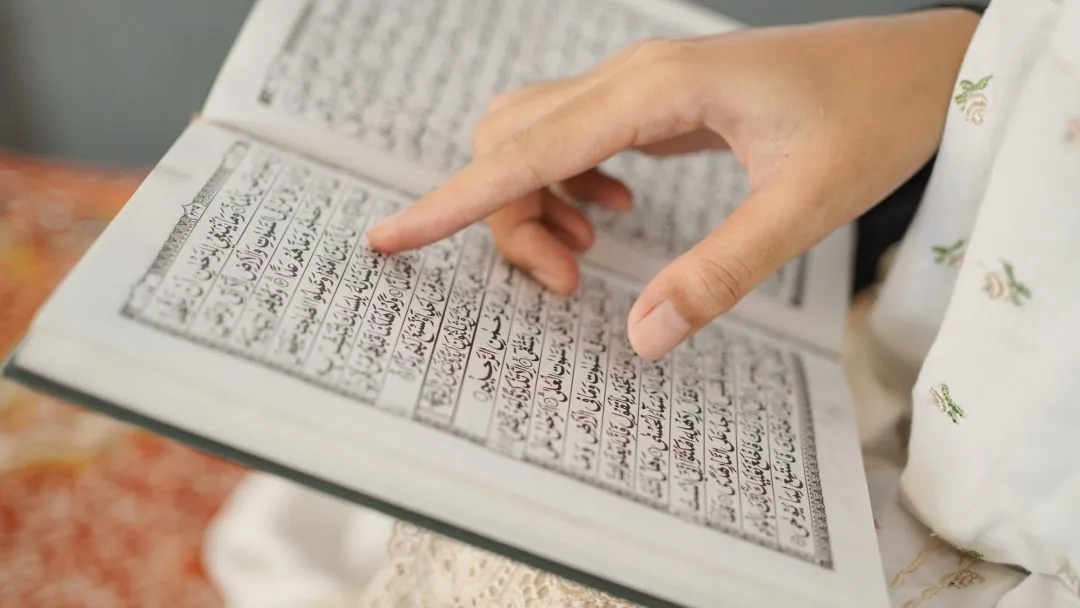
If you are starting completely from zero, the reliable path looks like this: learn the Arabic alphabet and correct pronunciation through Noorani Qaida first, get live correction from a qualified teacher rather than relying on an app alone, then move into full Quran reading with Tajweed once your letters and sounds are solid. Most complete beginners who practice consistently for fifteen to twenty minutes a day move through this foundation stage within a couple of months, though the exact pace depends on age, consistency, and how early mistakes get corrected.
- Learn the 28 Arabic letters and their sounds (Noorani Qaida).
- Get a teacher to correct your pronunciation (Makhraj) from day one.
- Practice joining letters into words and short phrases.
- Learn basic Tajweed rules as you start reading actual Quranic text.
- Build a short daily habit, then move toward memorization if that is your goal.
Where Do Complete Beginners Actually Start?
Every beginner, whether a young child or an adult who has never opened a Quran before, starts in the same place: the Arabic alphabet. There are 28 letters, and several of them change shape depending on whether they appear at the beginning, middle, or end of a word. This is exactly what a Noorani Qaida course is built to teach, and it is worth resisting the urge to skip straight to reading verses before this stage is solid.
Trying to sound out Quranic text before you can reliably recognize letters and their joined forms usually backfires. It leads to guessing at words based on shape and memory rather than actually reading, which falls apart the moment you hit an unfamiliar verse.
Do You Need a Teacher, or Can You Self-Teach From an App?
Apps and YouTube videos are genuinely useful for extra practice and exposure to the alphabet, but they cannot listen to you recite and correct you in real time. Quran recitation depends heavily on Makhraj, the precise point in the mouth or throat where each letter’s sound originates. Several Arabic letters sound nearly identical to an untrained ear, and mispronouncing them can change the meaning of a word entirely.
A live teacher hears the difference immediately and corrects it before it becomes a habit. This matters more for adults than most people expect, since pronunciation habits formed early tend to be far harder to unlearn later than to get right from the start.
Why this matters in practice: a self-taught beginner who spends three months practicing with a mispronounced letter has to spend additional time unlearning that habit before progressing. A beginner with a live corrector from day one avoids that detour entirely.
How Long Does It Actually Take to Learn to Read the Quran From Scratch?
There is no single fixed timeline, since pace depends on age, prior exposure to Arabic sounds, and above all consistency. That said, a commonly seen pattern among students who practice fifteen to twenty minutes a day, several days a week, is completing the alphabet and Noorani Qaida stage within roughly two to four months. Full, fluent Quran reading with proper Tajweed typically takes longer and continues to improve well after the basics are in place, since fluency comes from ongoing practice rather than a single completed course.
The single biggest factor is not talent or age, it is consistency. A student practicing fifteen minutes daily will almost always progress faster than one squeezing in an hour once a week.
What Order Should You Learn Things In?
Skipping steps to “get to the real Quran faster” is one of the most common reasons beginners stall out. Here is the order that actually works, whether you are learning through a teacher, a course, or a structured self-study plan.
| Step | Stage | What Happens Here |
|---|---|---|
| 1 | Arabic Letters and Sounds | Recognize all 28 letters in isolation and learn their correct pronunciation points. |
| 2 | Joining Letters and Basic Reading | Learn how letter shapes change when connected, and begin reading simple words. |
| 3 | Noorani Qaida Completion | Practice short combinations and basic vowel marks (harakat) until reading feels natural. |
| 4 | Tajweed Rules | Learn the rules that govern how letters are pronounced together in actual Quranic text. |
| 5 | Fluent Quran Reading | Read directly from the Quran with a teacher correcting pronunciation and pacing. |
| 6 | Memorization (Optional) | Once reading is fluent, begin structured Hifz with daily portions and revision. |
How to Build a Daily Quran Habit That Actually Sticks
Motivation fades within the first few weeks for most beginners, which is why the habit itself matters more than any single study technique. A few things consistently help:
- Attach it to an existing routine. Right after Fajr or right before bed works well because it does not compete with the rest of the day.
- Keep sessions short. Fifteen to twenty minutes done daily beats a single ninety minute session once a week.
- Revise before adding new material. A quick review of the previous lesson keeps earlier progress from fading.
- Track it simply. A basic checklist or calendar mark is usually enough to keep momentum visible.
Common Mistakes Beginners Make
- Rushing past the alphabet stage to feel like “real” progress is happening, which usually creates pronunciation problems later.
- Learning entirely alone with no one to catch mispronunciations before they become habits.
- Studying in long, infrequent bursts instead of short, consistent daily sessions.
- Comparing pace to other people instead of focusing on steady, correct progress at your own speed.
Is the Process Different for Adults Than for Kids?
The stages are the same, but the experience differs. Adults often feel self-conscious starting from the alphabet later in life, and benefit from a patient, beginner-focused teacher and a private setting rather than a group class. Many adult students also request a specifically male or female teacher for comfort during recitation.
Children, on the other hand, generally need shorter sessions, more repetition, and visual or interactive tools to hold their attention. If you are starting a young child rather than yourself, it is worth reading how a structured kids’ Quran program paces this differently than an adult course.
Not Sure Where to Start?
A short trial class is usually the fastest way to find out your actual starting point and get matched with the right teacher.
Book a Free Trial ClassGetting Started, Step by Step
If you take one thing away from this guide, it should be this: starting from scratch is not about finding a shortcut past the alphabet, it is about getting the foundation right the first time with someone who can correct you as you go. A free trial class with a Noorani Qaida course is usually the simplest way to find your actual starting point rather than guessing.
Frequently Asked Questions
Can I learn to read the Quran without understanding Arabic as a language?
Yes. Learning to read the Quran (Tajweed and pronunciation) is a separate skill from understanding classical Arabic vocabulary and grammar. Most beginners learn to read and recite correctly first, then optionally study translation and Tafseer to understand meaning.
Do adults really need Noorani Qaida, or is that just for kids?
Noorani Qaida is for any complete beginner regardless of age. Adults who skip it often develop pronunciation habits that are harder to unlearn later, so starting there is usually faster in the long run, not slower.
Is it normal to feel embarrassed starting Quran lessons as an adult?
It’s a very common feeling, and most teachers who work with adult beginners are used to it. A patient, beginner-focused teacher and a private one-on-one setting removes most of that pressure.
Can a new Muslim or revert start from absolute zero?
Yes. New Muslims typically start at the same point as any other complete beginner: the Arabic alphabet and Noorani Qaida, with a teacher who explains each step without assuming prior knowledge.
Start Your Quran Journey This Week
Whether you are starting for yourself or for your child, a free trial class is the easiest way to find your actual starting point and meet a teacher who can guide you from letter one.