
Dua e Jameela: Meaning, Text, and Complete Benefits
Dua e Jameela is a well known Islamic supplication that praises Allah through His beautiful names and is recited by Muslims seeking forgiveness, protection, and spiritual closeness to Allah. The word “Jameela” comes from the Arabic root meaning beautiful, and this dua earned its name because of the elegant way it strings together Allah’s attributes in a flowing, rhythmic form. Below you will find the meaning, transliteration, translation, and the benefits associated with reciting Dua e Jameela regularly.
Book Your Free Trial Class
Tell us a little about the student and we will arrange your free trial class.
No credit card required. We usually reply within a few hours.
What Is Dua e Jameela
Dua e Jameela, sometimes written as Dua Jameela or Dua Jamila, is a lengthy supplication built almost entirely around the beautiful names and attributes of Allah, similar in spirit to Asma ul Husna. Rather than asking for something specific in a single line, it moves through name after name of Allah, calling out to Him as Al Qareeb (the Near), Al Mujeeb (the Responder), Ar Raoof (the Most Kind), and many more, before closing with Durood upon Prophet Muhammad (peace be upon him) and a personal plea for forgiveness.
It is widely shared among Muslims, especially in South Asia, as a dua that combines Tasbih, Durood, and personal supplication into one complete devotional recitation.
Dua e Jameela Arabic Text and Transliteration
The dua opens with Bismillah and moves through a long chain of Allah’s names, each preceded by “Ya” (meaning “O”) as a form of direct calling upon Allah.
The recitation continues through dozens of Allah’s attributes, eventually moving into Durood Sharif upon the Prophet Muhammad (peace be upon him), his companions, and his family, before ending with a personal admission of sin and a request for Allah’s mercy and forgiveness.
Because the full Arabic text runs quite long, many people prefer to download a printable copy so they can read along without missing a line, and a downloadable PDF version with correct Arabic script and transliteration is available further down this page.
Meaning and Translation of Dua e Jameela
At its core, the dua is a chain of praise. It calls upon Allah as the Beautiful, the Near, the Wonderful, the Responder to prayers, the Kind, the Grantor of favors, the Judge, the Authority, the One sought for help, the Benevolent, the Exalted, the Merciful, and the Compassionate, among many other attributes drawn from His names.
After this extended praise, the dua turns to Durood, sending blessings and peace upon Prophet Muhammad (peace be upon him) and his household, which is considered an essential and rewarding act of worship in itself. It closes with a sincere confession that the reciter is among those who fall short and sin, paired with a heartfelt plea for Allah’s forgiveness and mercy.
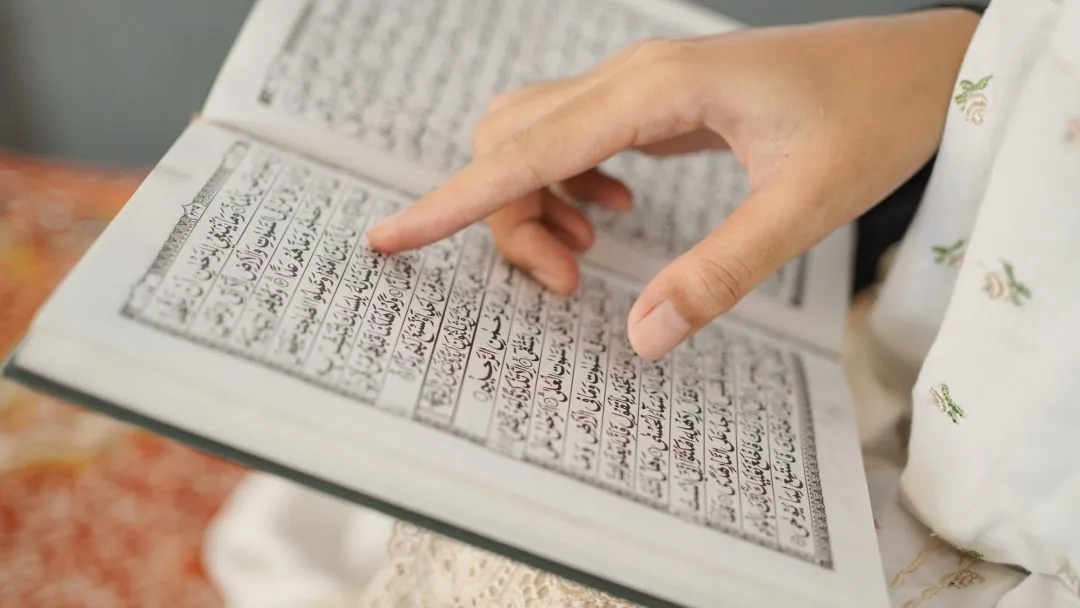
Benefits of Reciting Dua e Jameela
Islamic tradition and popular scholarly writings attribute a number of spiritual benefits to reciting Dua e Jameela with sincerity and regularity. These benefits are widely mentioned in devotional literature, though it is worth noting they are based on tradition and scholarly commentary rather than a hadith found in Sahih al Bukhari or Sahih Muslim.
Forgiveness of Sins
It is commonly believed that sincere recitation of this dua can lead to Allah forgiving even a large number of sins, provided the person recites with genuine humility and intention.
Protection From Harm and Evil
Many who recite Dua e Jameela do so seeking protection from black magic, envy, and the ill intentions of others.
Reward Equivalent to Durood Recitation
Since the dua contains a full Durood Sharif, reciting it is said to carry the same reward as sending blessings upon the Prophet (peace be upon him) separately.
Ease During Hardship and Difficulty
People often turn to this dua during times of financial stress, illness, or emotional difficulty, seeking comfort through the repeated praise of Allah’s mercy and nearness.
A Radiant Face on the Day of Judgment
Traditional accounts describe the reciter’s face being illuminated on the Day of Judgment as a reward for consistent recitation.
Ease in the Grave and During the Journey After Death
Some scholarly writings mention that regular reciters are promised comfort during the trial of the grave.
It is important to approach these benefits with the right perspective. They are part of a rich devotional tradition passed down through scholars and pious predecessors, and reciting any dua should ultimately be done out of love for Allah and hope in His mercy, rather than purely for the promised rewards.
When and How to Recite Dua e Jameela
There is no single mandatory time fixed for this dua, but common practice suggests a few approaches that many Muslims follow.
After Fajr prayer, when the heart is calm and free from the distractions of the day ahead, is a popular time chosen by many reciters.
After each of the five daily prayers, some people recite Dua e Jameela in full or in part, treating it as an extension of their daily Tasbih and Durood routine.
During times of personal difficulty, whether emotional, financial, or health related, reciting this dua slowly and with reflection is a common practice for seeking comfort and divine help.
Whichever time you choose, scholars generally emphasize that the manner of recitation matters more than the exact timing. Reciting slowly, understanding the meaning where possible, and reflecting on Allah’s names as you say them is considered far more valuable than rushing through the words.
A Note on Authenticity
Anyone researching Dua e Jameela will eventually come across the fact that it is not recorded in the major authentic hadith collections such as Sahih al Bukhari or Sahih Muslim. It circulates primarily through devotional booklets, scholarly commentary, and oral tradition rather than a direct chain of narration back to the Prophet Muhammad (peace be upon him).
This does not mean the dua has no value. Since it is built almost entirely from Allah’s confirmed names and attributes, combined with Durood upon the Prophet, the content itself aligns closely with core Islamic teachings even where the specific chain of transmission for the dua as a whole is debated among scholars. If you want to be cautious, you can treat it as a virtuous supplication of praise and Durood, rather than attaching specific hadith status to every promised reward listed above.
Dua e Jameela PDF Download
For readers who want to keep a clean, easy to read copy for daily recitation, a printable version containing the Arabic text, transliteration, and translation side by side makes memorization and consistent practice much easier than scrolling through a webpage each time. Keeping a physical or saved digital copy also makes it simple to recite the dua during travel, before sleep, or right after Fajr without needing an internet connection.
Frequently Asked Questions
Dua e Jameela means “the beautiful supplication.” It is named for its elegant structure, which strings together many of Allah’s beautiful names in praise before closing with Durood and a personal request for forgiveness.
No, this specific dua is not documented in the two most authentic hadith collections. It is preserved mainly through devotional tradition and scholarly writings rather than a direct chain of hadith narration.
It is best recited in its original Arabic form since it praises Allah using His specific names, but understanding the English or Urdu translation alongside the Arabic helps reciters connect with the meaning more deeply.
Depending on your pace, the full dua typically takes a few minutes to recite since it moves through a long list of Allah’s names followed by Durood and a closing supplication.
There is no fixed number required. Many people recite it once daily, often after Fajr, while others recite it during times of personal hardship as needed.
Since Dua e Jameela is a supplication rather than Quranic recitation, most scholars agree it can be recited during menstruation, though it is always best to confirm with a knowledgeable local scholar if you are uncertain.
Final Thoughts on Dua e Jameela
Whether you recite Dua e Jameela for its traditional promised rewards, for the comfort it brings during hard times, or simply because you find peace in praising Allah through His many names, it remains a deeply meaningful part of everyday devotional practice for countless Muslims. Reciting it with sincerity, reflecting on the meaning behind each name of Allah, and pairing it with consistent Durood upon the Prophet Muhammad (peace be upon him) is what gives this dua its lasting spiritual value.